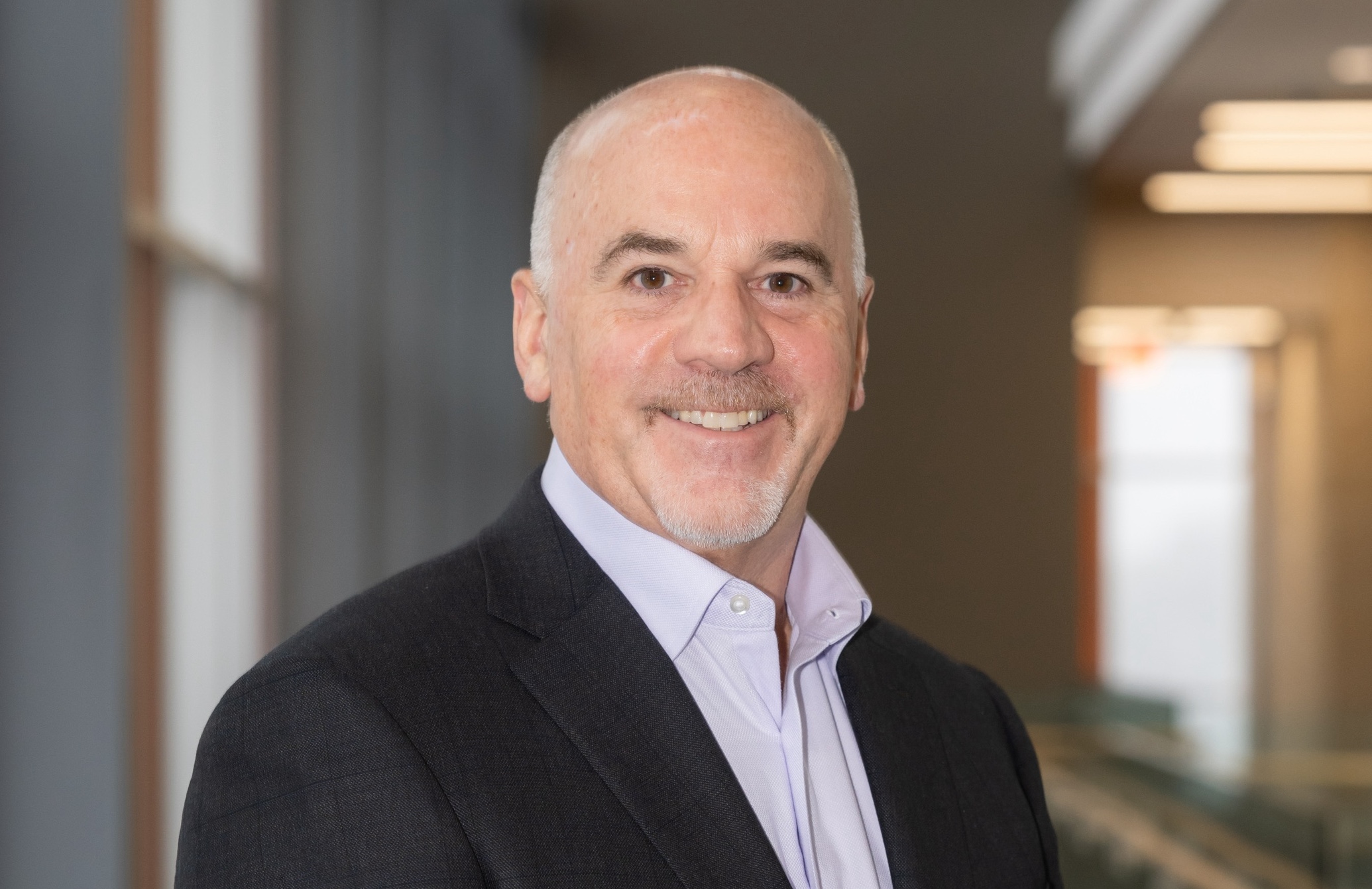
Charles A. Taylor, Professor of Internal Medicine and Director of the Center for Computational Medicine at The University of Texas at Austin, has been elected as a Corresponding Member of the Bavarian Academy of Sciences and Humanities, one of Europe’s oldest and most prestigious scientific societies. He is among 13 scholars elected this year and the only American among the newly elected members.
Taylor said he was surprised and deeply honored when he received the news. “This was a surprise. I found out when I received an email notice from the President of the Academy,” said Taylor. “It is a great honor to be elected to this society considering the fact that it is one of the oldest and most prestigious scientific societies.”
About Taylor’s Research
Taylor’s election recognizes three decades of groundbreaking contributions to computational modeling of cardiovascular systems. In 1995, he was the first to leverage medical imaging and mathematical models to compute blood flow in the cardiovascular system of actual patients. In 2010, he co-founded HeartFlow, one of the most successful digital health care companies in the world, transforming diagnosis and treatment of heart disease by developing first-of-their-kind, noninvasive AI and computer simulation methods that have been used in over 500,000 patients and are part of the standard of care worldwide.
His research focuses on creating patient‑specific computational models of the cardiovascular system using medical imaging data. These models are known as medical digital twins and can be used to improve the diagnosis and treatment of cardiovascular disease, including heart disease. Many have already begun translation into clinical practice. His pioneering work earned him election to the National Academy of Engineering in 2024.
“I have been particularly focused on creating technology that can be used to improve the diagnosis and treatment of cardiovascular disease,” Taylor said. “It has been a privilege to translate my research into clinical practice and see the benefit to patients, something that I value greatly.”