Latest Happenings at the Oden Institute
News
Oct. 16, 2026
Testing Treatments Before the Trials: Oden Researchers Build Virtual Clinical Trials for Breast Cancer
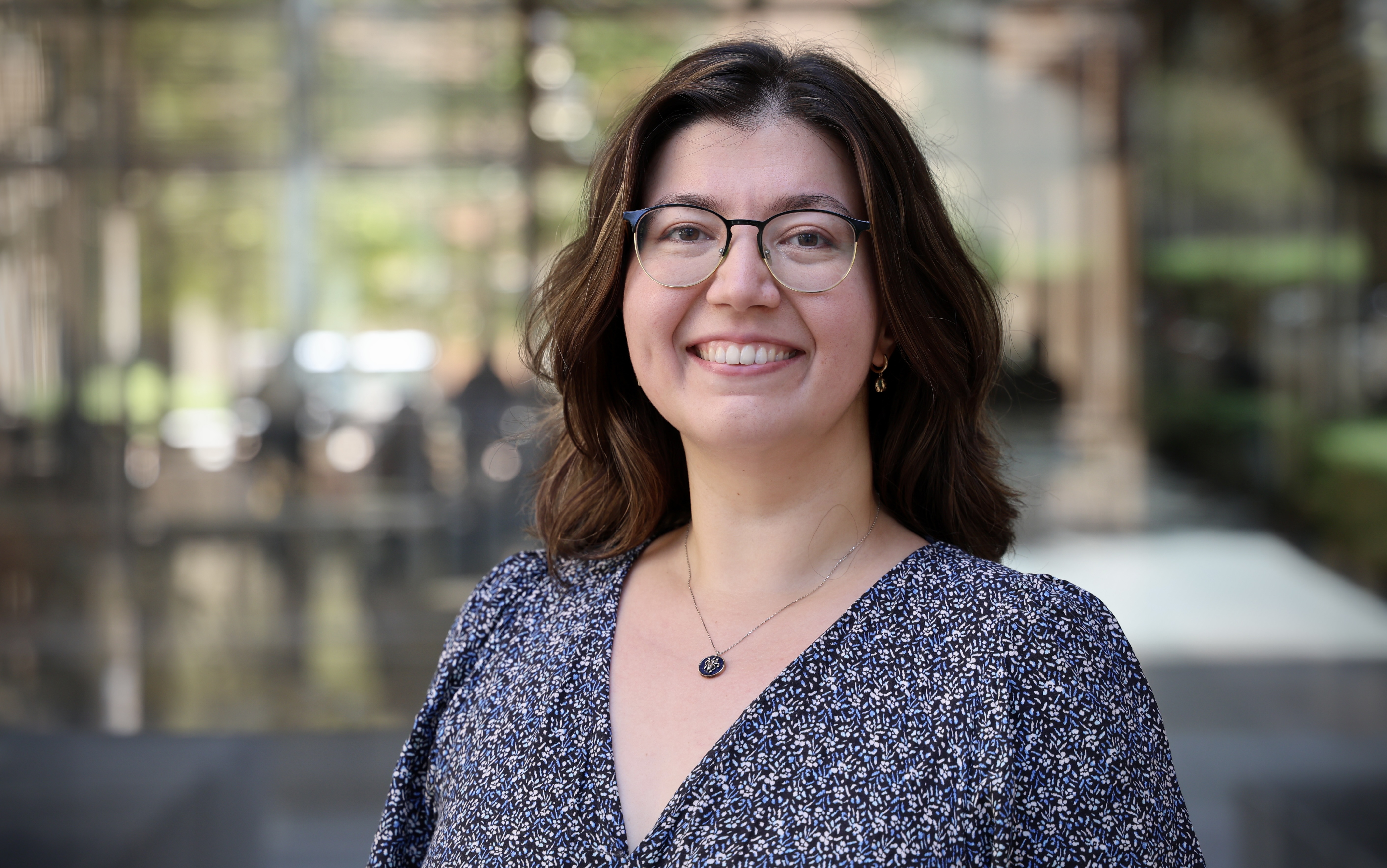
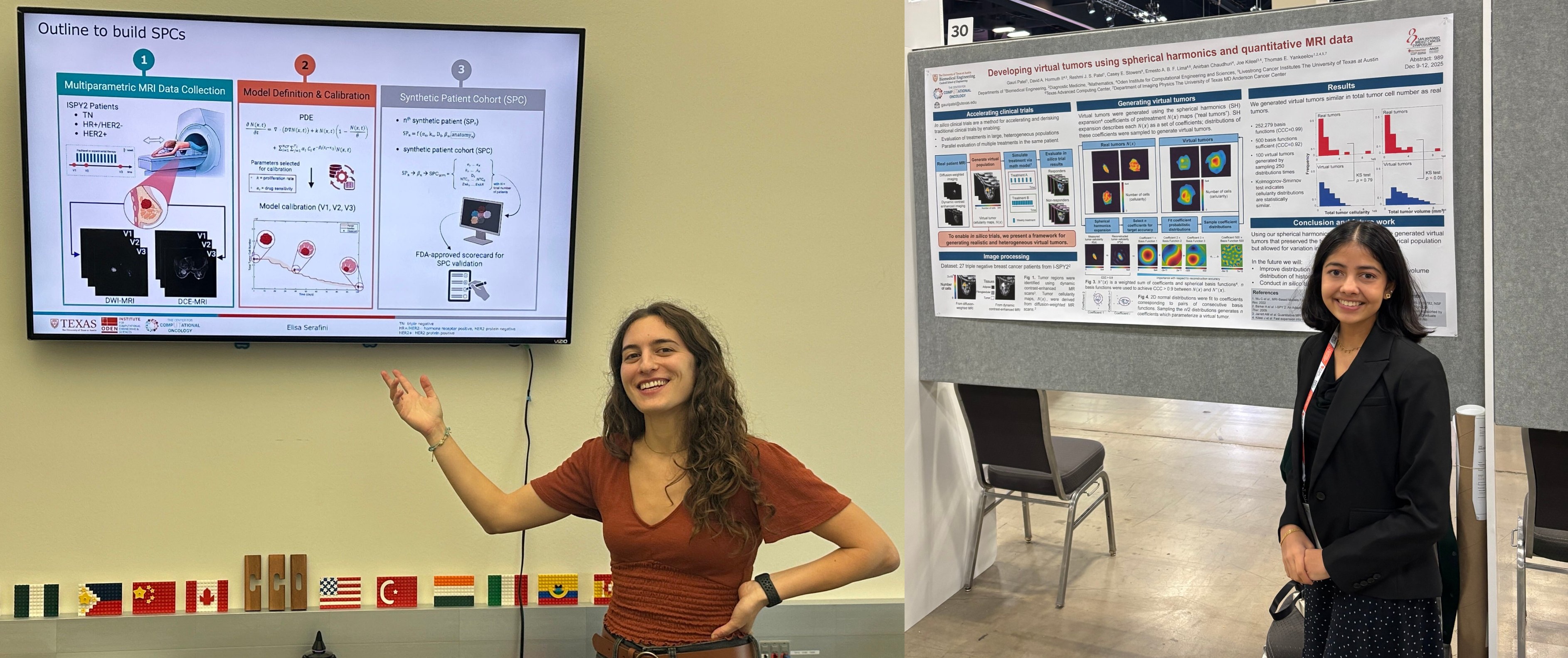
Oden researchers Elisa Serafini and Gauri Patel explain how they’re building virtual clinical trials. These are computer simulations that test treatments on “synthetic patients” modeled on data from the I-SPY2 breast cancer trial, with the aim of helping researchers design faster, more effective real-world trials.
News
Oct. 16, 2026
New Funded Projects from Joint Center for Computational Oncology Integrate Predictive Digital Twins to Improve Patient Outcomes
Since the program began in 2020, 29 projects have been funded, each of which bring together UT Austin and UT MD Anderson researchers. In addition to funding, project support includes compute hours at the Texas Advanced Computing Center.
News
Oct. 14, 2026
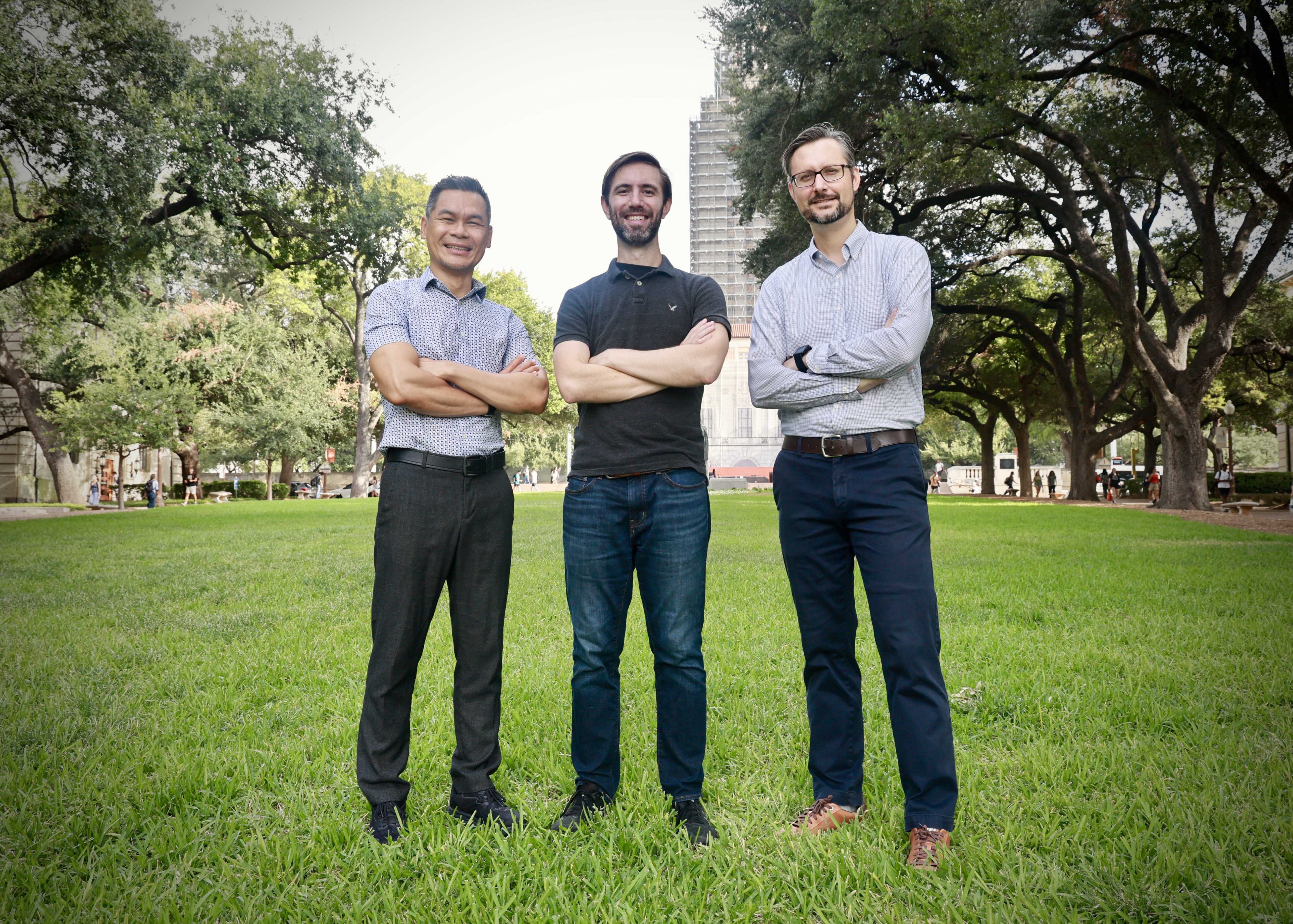
UT Wins Award from Google.org to Apply AI in Fusion Energy Research
A three-year project led by UT faculty Joshua Burby will build neural network models to explore new stellarator designs and lower the cost of future fusion power plants
Next Upcoming Event
Toward Information Geometric Mechanics
Florian Schäfer, Assistant Professor of Computer Science, NYU Courant Institute
3:30 p.m.– 5 p.m.
Oct. 22, 2026
POB 6.304 and Zoom
Media Coverage
Sept. 30, 2026
TAMEST Profile: Charles “Charley” Taylor, Ph.D. (NAE), The University of Texas at Austin
Media Coverage
Sept. 18, 2026
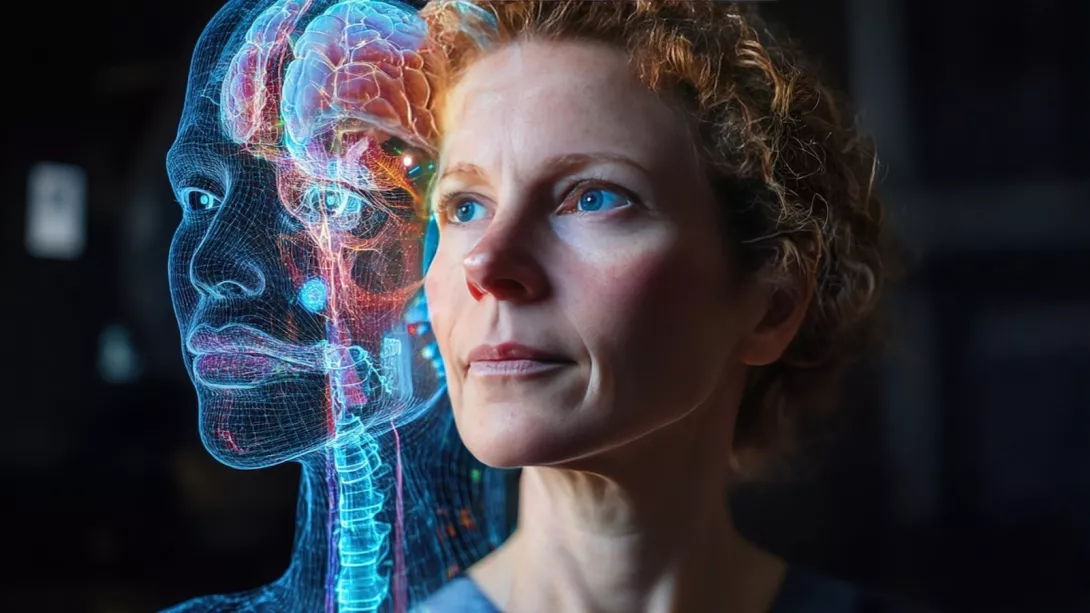
AI Digital Twins Get Better and Better: Cancer in Crosshairs
In medscape
Profile
Oct. 15, 2026
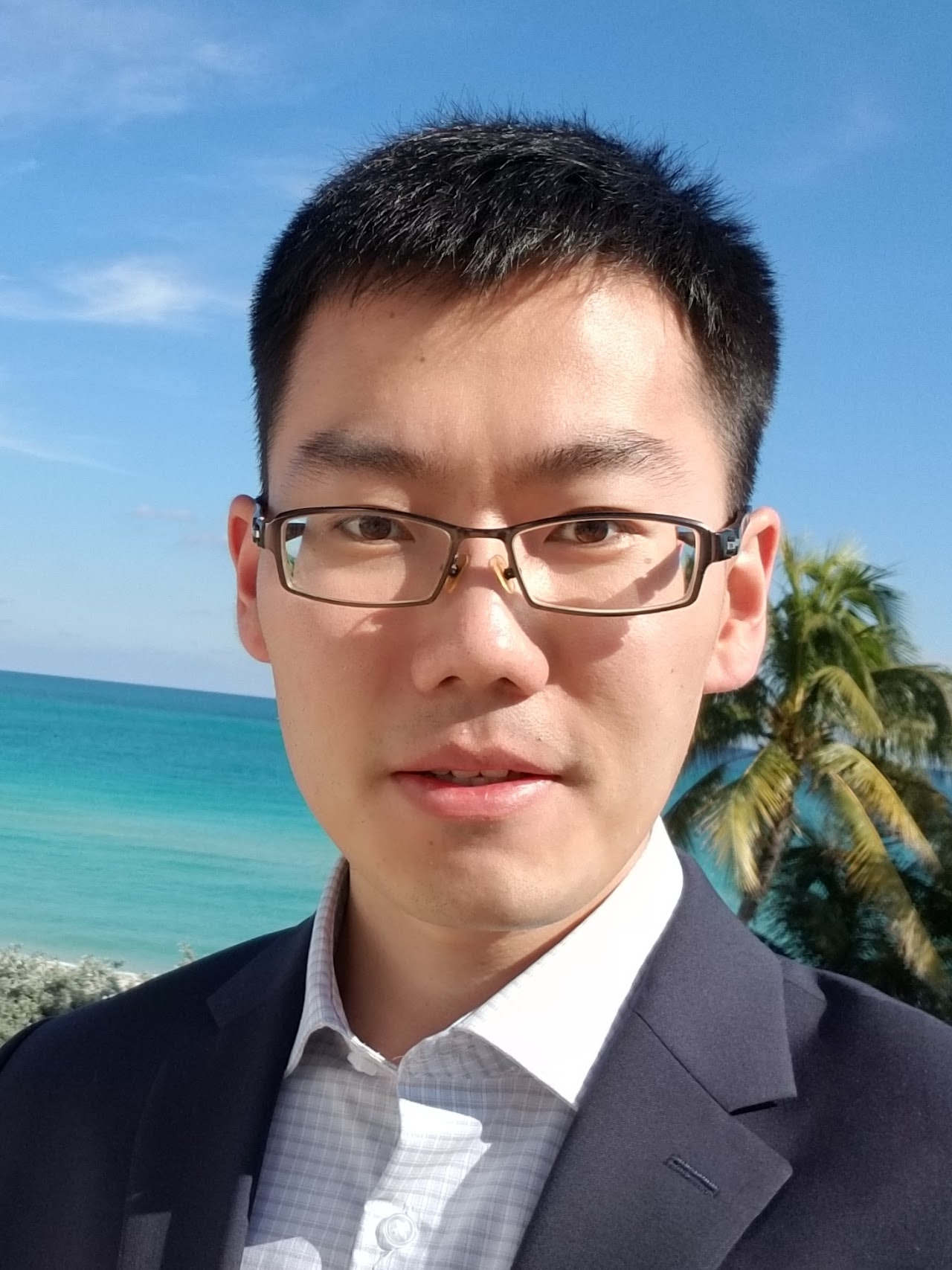
Building Safer Encounters Between Humans and Autonomous Systems - Profile Jingqi Li
Profile
Oct. 12, 2026
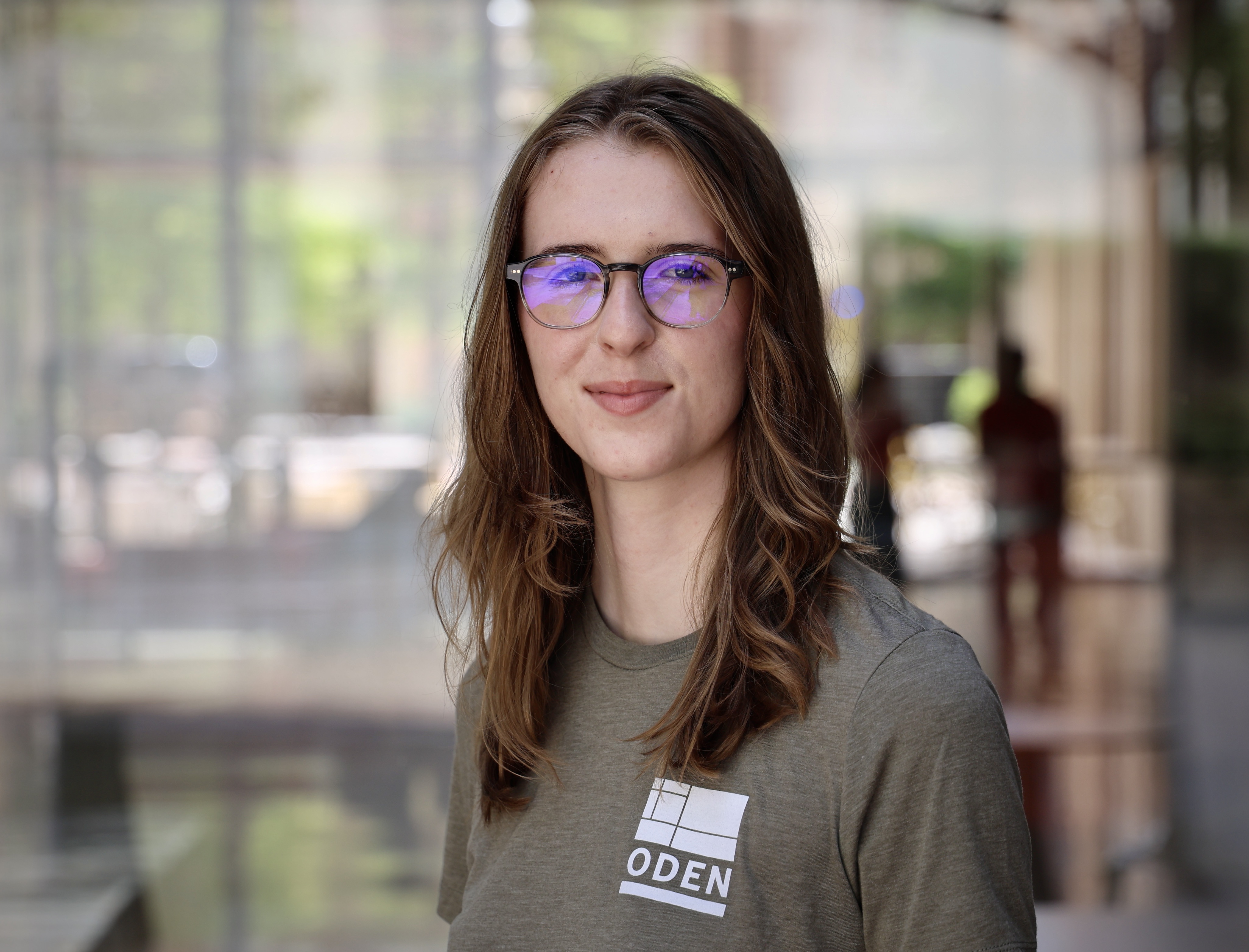
Beyond the Numbers: UT Student Builds a Future in Computational Research - Profile Fiona Romanoschi
Profile
Oct. 6, 2026

Stumbling Into a Calling - Profile Lynnlee Harrell
Feature
May 5, 2026
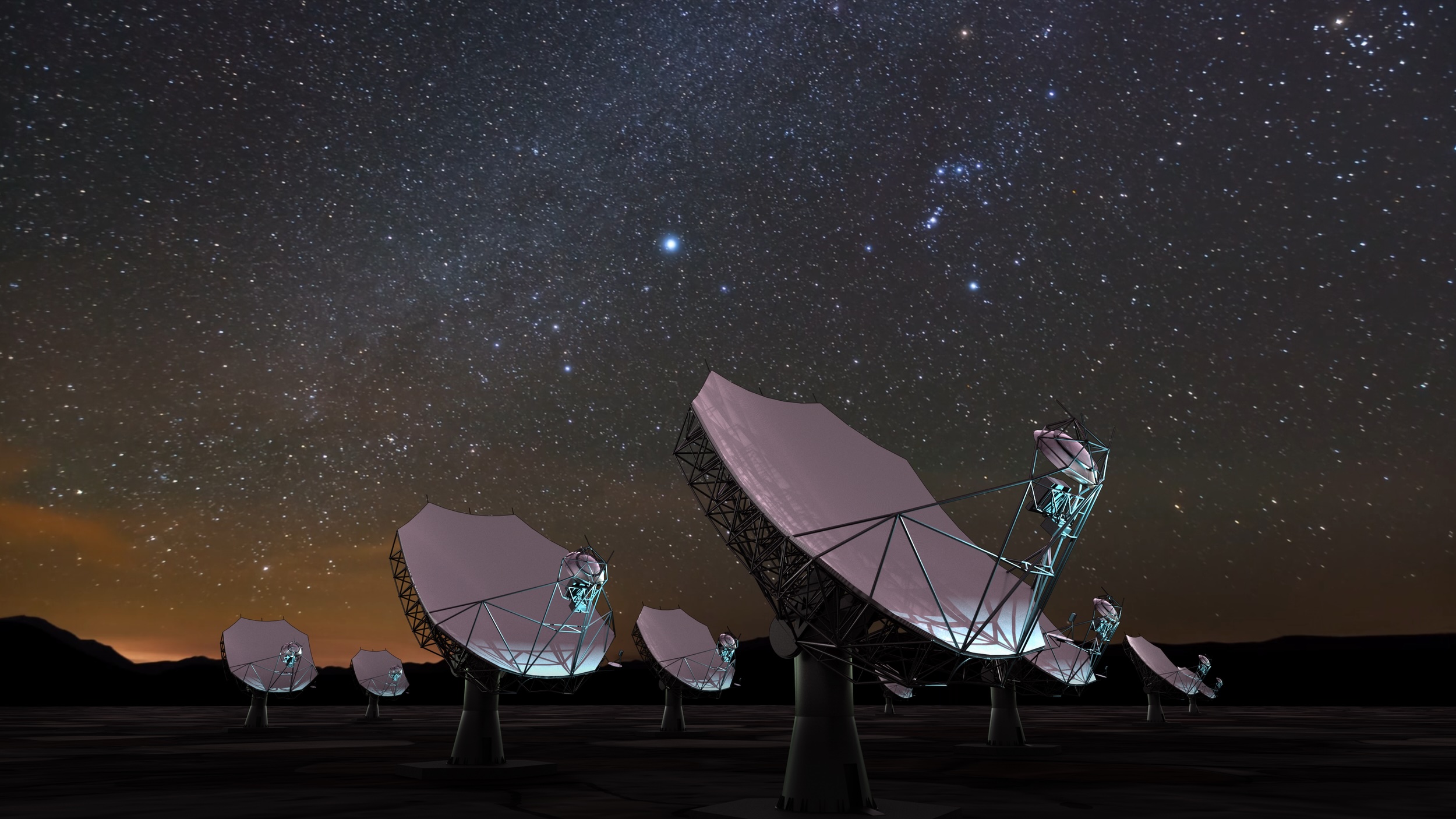
A Match Made in the Cosmos
The NSF-Simons AI Institute for Cosmic Origins (CosmicAI) cultivates the symbiotic relationship between Astronomy and AI. Astronomy gets shiny new tools to process its mountains of data, and AI gets a safe playground filled with exciting toys to improve its methods.
Feature
April 14, 2026
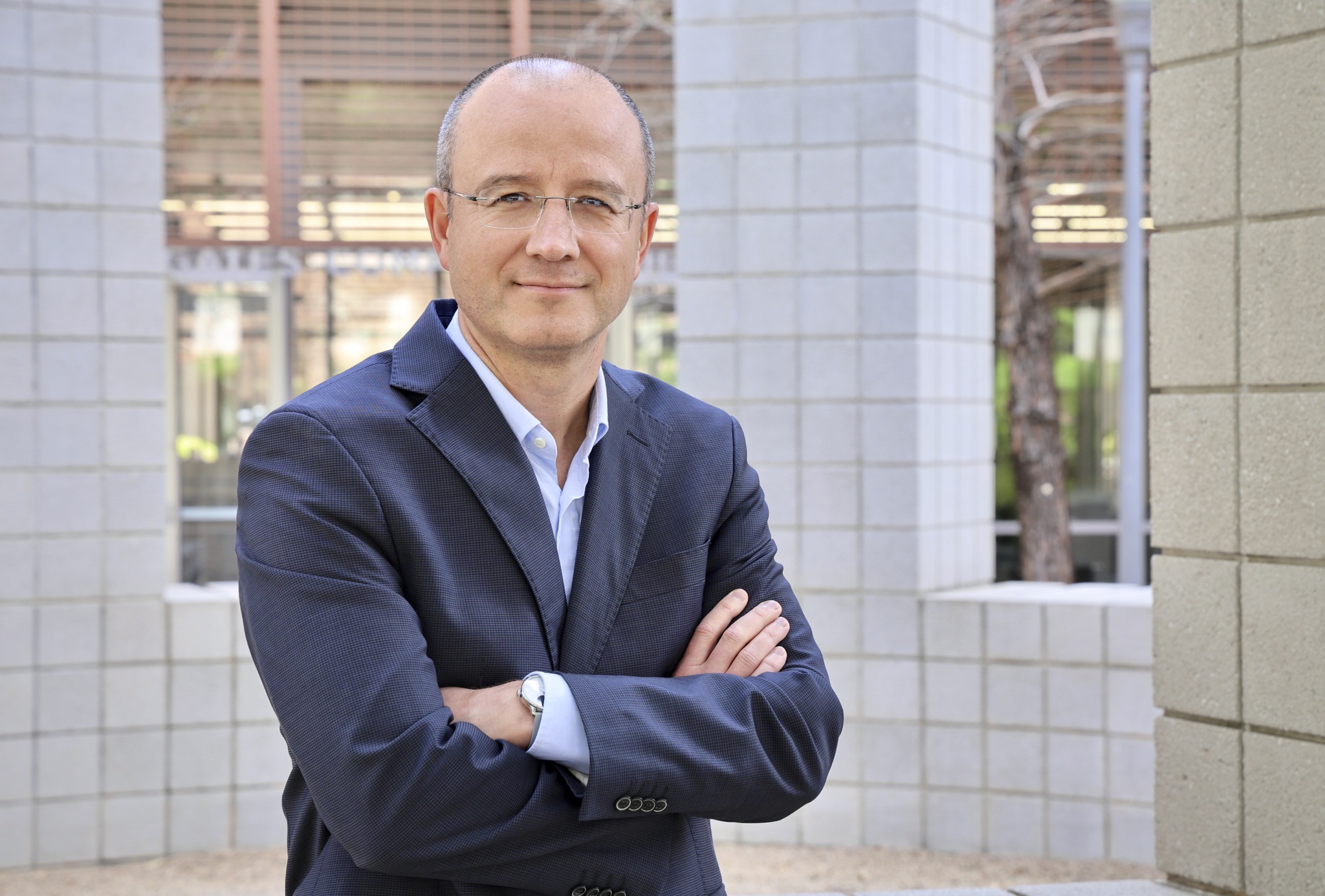
Ufuk Topcu on the Future of Trustworthy Autonomy
Ufuk Topcu leads the Center for Autonomy, which focuses on human interaction with AI and robotics, expanding community outreach and pioneering new concepts in safety, trustworthiness and accountability as autonomous systems evolve.
Feature
Feb. 27, 2026

After a Decade of Pioneering Digital Twin Research, UT Emerges as a Global Leader in AI for Science
After more than a decade of advances in AI, mathematics and supercomputing, UT is shaping the future of digital twins — bringing together researchers across campus to deploy physics‑informed, AI‑powered models for energy, healthcare, national security and natural hazard mitigation.
News
Sept. 27, 2026
Pioneering the Future of Heart Health: Cardio AI Conference
UT Austin's Pediatric to Adult Cardio AI Conference: Digital Twins in December will bring together computational engineers, computer scientists, clinicians, and industry leaders to advance AI and digital twin technologies in cardiovascular care.
Profile
Sept. 17, 2026
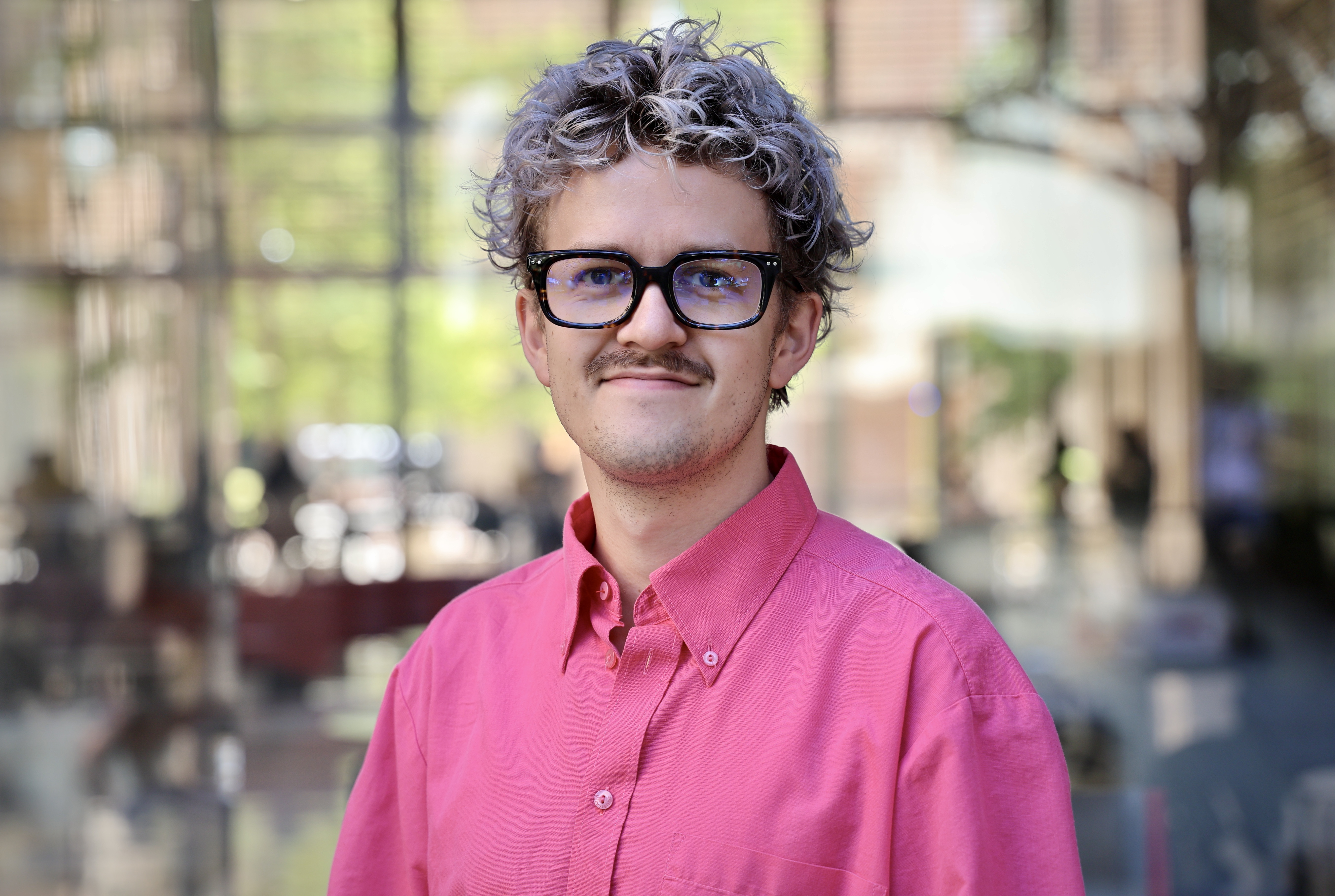
Finding Structure in the Noise - Profile Paul Beckman
Profile
Sept. 9, 2026