University of Texas at Austin

News

Meet Your Oden Institute 2026-27 CSEM Student Representatives

Published Aug. 20, 2026

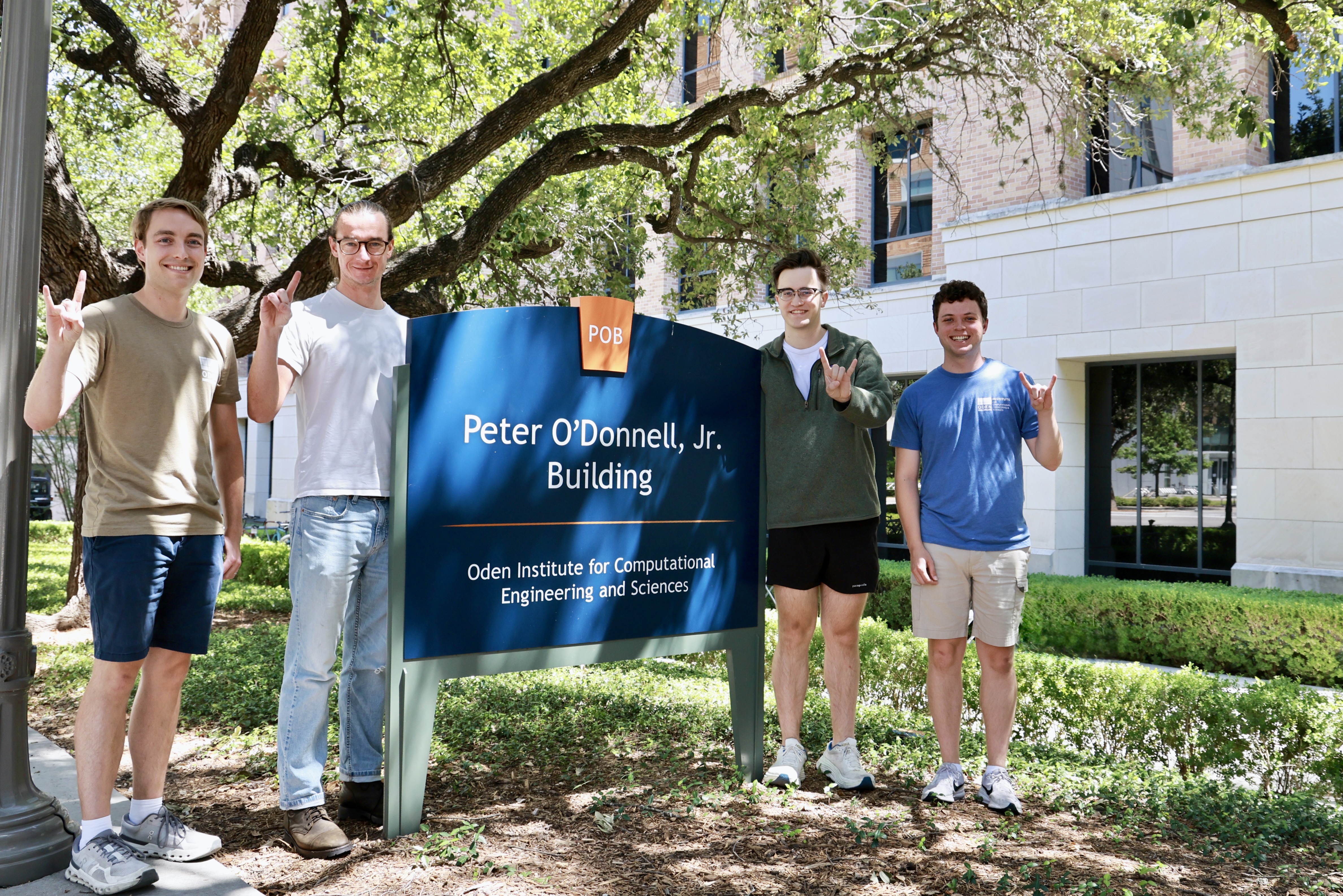
L-r: Ashton Cole, Joseph Wick, Matthew Meeker, Ben Longaker. Credit: Joanne Foote

Although the Computational Science, Engineering, and Mathematics (CSEM) Ph.D. Program at the Oden Institute for Computational Engineering and Sciences is known for its academic rigor and impactful research, what makes it truly distinctive is its community. 

The four newly elected student representatives are ready to build on momentum established by last year's student leaders. Through events ranging from shared meals with prospective students to organizing a ping-pong tournament in the student lounge, to hosting a Halloween student-faculty lunch, the outgoing representatives fostered connection, community and support throughout the year. Now meet the new team who is stepping up to carry that momentum forward. 

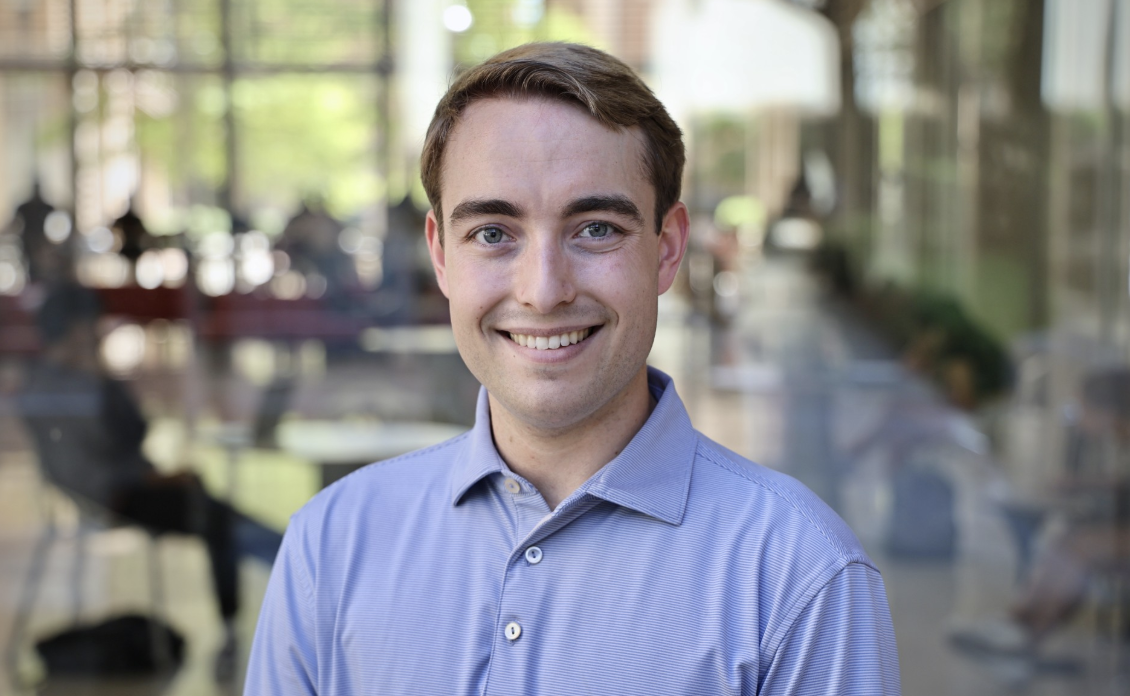
Ben Longaker

Ben, who is the recruitment chair, will be the first face many prospective students encounter when considering the CSEM program. His responsibilities include supporting the annual open house in the spring to welcome prospective students and giving campus tours. "My favorite part about the Oden Institute is the people and the community," he said. "I wanted to be the recruiting chair because I want to be able to advertise that vision to other students." Ben works with George Biros, professor of mechanical engineering and Oden Institute principal faculty member, on research at the intersection of machine learning and high-dimensional mathematics, focused on developing algorithms with built-in error guarantees that can scale to complex problems. This past summer, he took that work to Los Alamos National Laboratory in New Mexico, where he applied machine learning to model subgrid-scale turbulent mixing in the polar ocean. Outside of research, Ben is an avid runner and ultimate frisbee player, and if you challenge him to solve a Rubik's cube, you will want to have a stopwatch ready: he can do it in under thirty seconds.
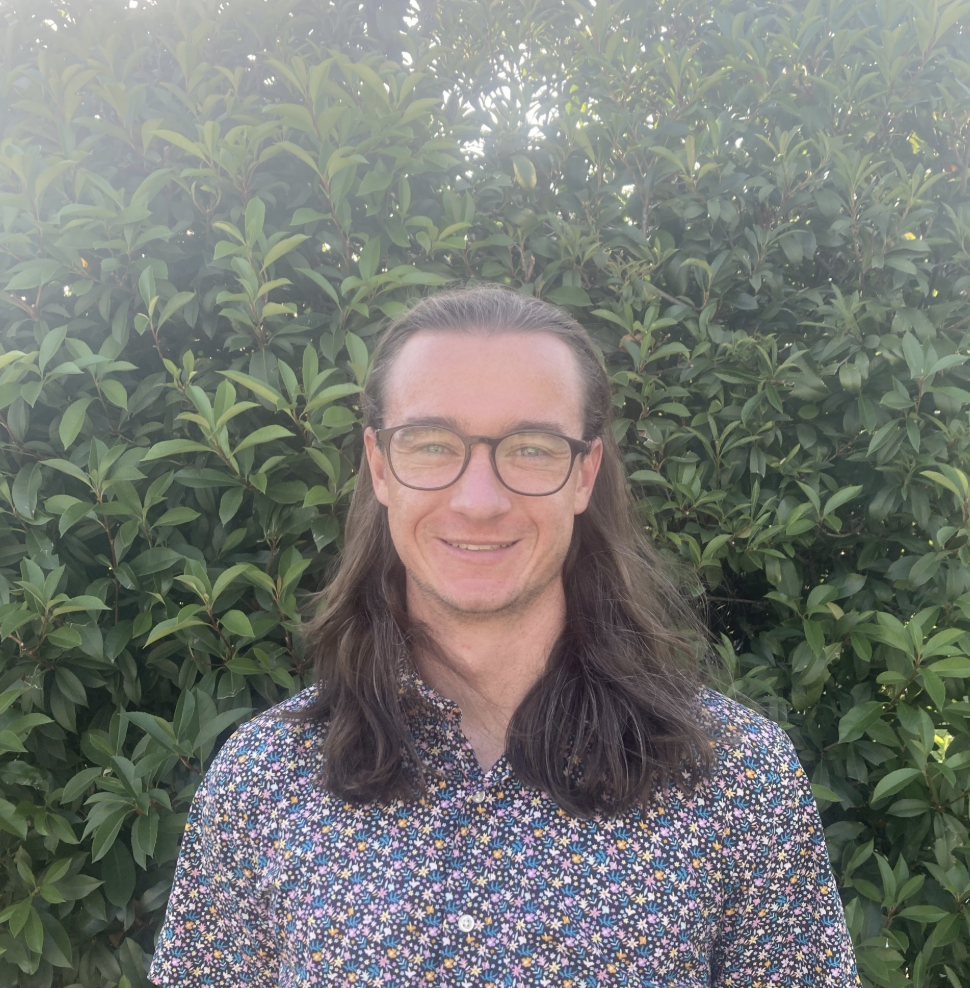
block.caption

Ben Longaker

Joseph Wick 

One of two Social Chair positions, Joseph came into the CSEM program and was immediately struck by how supportive and fun his cohort and the more senior students were. But as research has intensified, he has noticed students seeing less and less of each other. That observation is what drew him to the role. "I hope to organize regular events that engage a large percentage of the Oden student body throughout the academic year," he said. Also working with Professor Biros, Joseph develops computational and mathematical tools for the optimal design of fusion reactors, helping ensure that prototype designs allow for stability and positive energy output before anything is physically built. When he is not optimizing reactors, Joseph can be found on his bicycle, at the ping pong table taking down his self-described nemesis, or in the kitchen, where he is confident he is the best pasta chef he knows.

block.caption

Joseph Wick

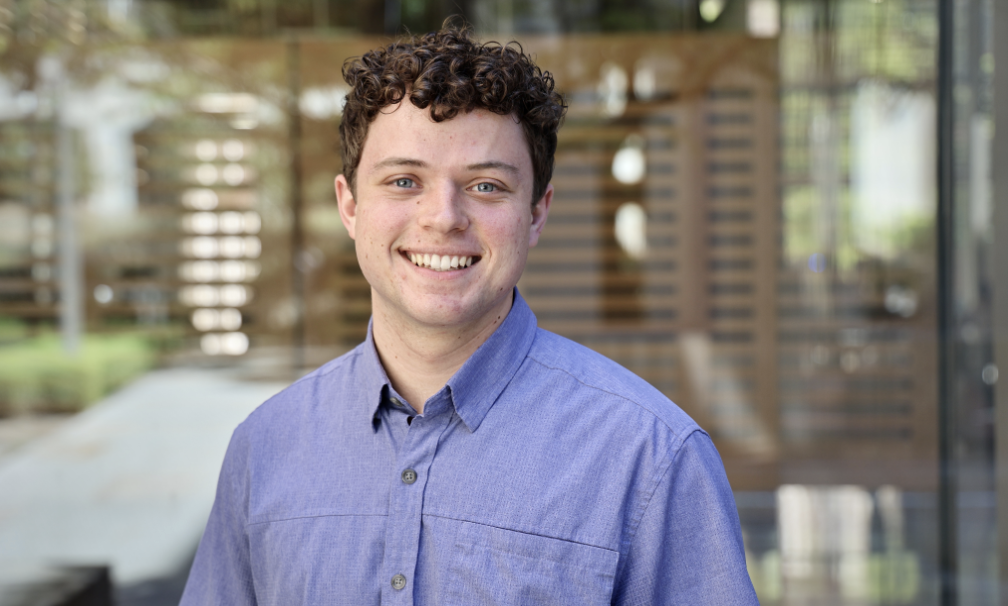
Matthew Meeker 

Matthew holds the second Social Chair position alongside Joseph. Matthew's motivation for the role cuts to the heart of what makes graduate school hard. "Grad school can become very siloed and even isolating as students progress and are increasingly absorbed in very specialized, demanding work," he said. "We aim to push against that by bringing together people who might not ordinarily cross paths." Matthew's research, co-advised by Oden faculty Nick Nelsen, assistant professor of aerospace engineering and engineering mechanics, and Omar Ghattas, director of the OPTIMUS Center, spans operator learning, inverse problems, and high-performance computing, with a focus on methods that scale to large, currently intractable problems. Those who know Matthew's corner of POB know him for his time in Emacs, a decades-old text editor beloved by programmers, his blank-keycap keyboard, and the eight-hour Skyrim ambience or thunderstorm video perpetually playing in the background. He and Joseph want fellow students to know they are always open to ideas, and that finding excuses to bring in Cabo Bob's for everyone is considered a core part of the job.

block.caption

Matthew Meeker

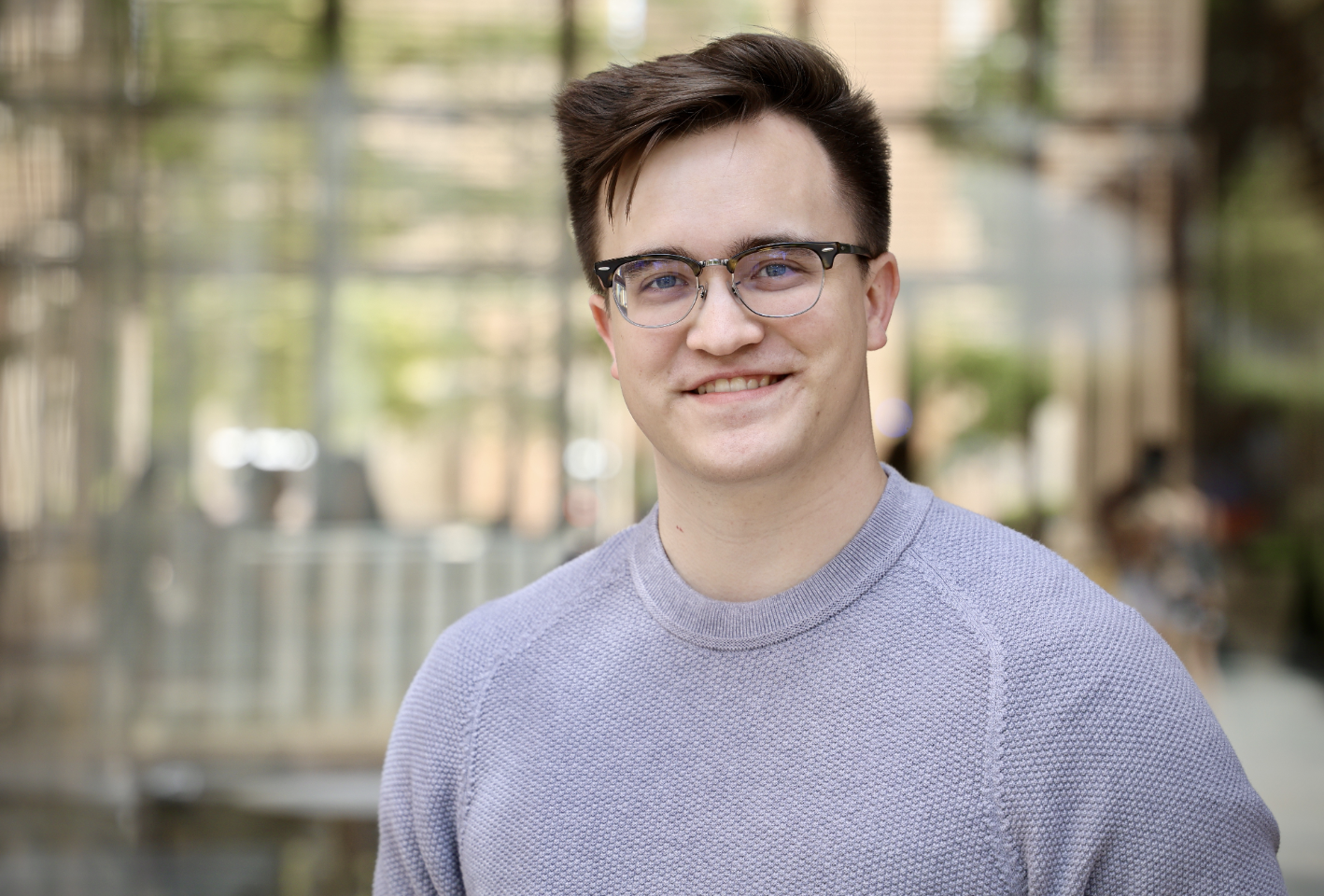
Ashton Cole 

Ashton serves as the Ombudsperson, which he describes as being "a neutral third party people can turn to when they have questions and concerns with the program." The role is independent, confidential, and built around listening, but it is also about aggregating feedback and advocating for the student body with faculty. Ashton already has experience representing the program through student government, and he was drawn to this role because he believes the sense of community at the Oden Institute is not incidental to the research, it actively enables it. "I want my peers to feel heard and supported," he said. His own research, conducted in the Computational Hydraulics Group under Professor Clint Dawson, professor of aerospace engineering and engineering mechanics, focuses on predicting hurricane surge using partial differential equations, with additional work on coastal environment and infrastructure. As hurricanes become more intense and more frequent, he sees computational modeling as essential to protecting people and communities along the coast. In his personal life, Ashton has a fun fact he is always happy to share: he is a twin, though he is quick to clarify that the telepathy, as far as he can tell, is reserved for the identical ones.

block.caption

Ashton Cole

The CSEM Student Representative program is a crucial part of the Oden Institute, providing leadership opportunities and the chance to build relationships with colleagues. Interested students can find more information on ways to get involved with student organizations here.