Cross-
Cutting
Research Area
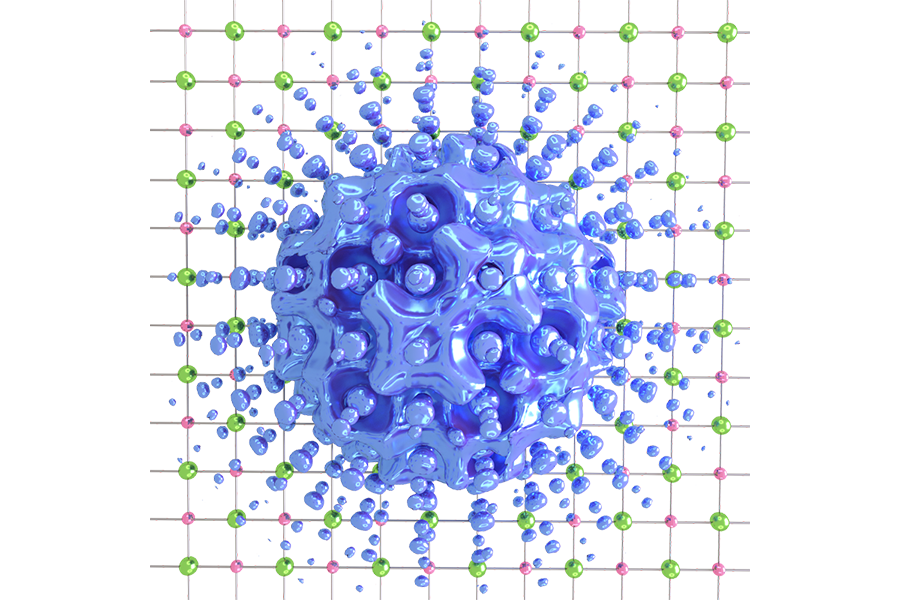
Understanding and predicting physical phenomena through computation
Numerical methods to solve complex problems in physics
An Overview: Computational Physics
What is Computational Physics?
Computational physics sits at the intersection of physics, mathematics and computer science. It is the task of the computational physicist to develop theoretical schemes in which complex physical phenomena are converted into tractable mathematical problems, and to implement numerical algorithms to solve these problems as efficiently as possible. The development of new theories and software, together with an exponential increase in computing power, has enabled a major expansion of the limits to what can be studied through computation. Our researchers are exploring ways to push those limits even further through a range of applications — from the analysis of the global climate system to the prediction of materials’ properties at the quantum mechanical level.
Current research areas
Research is multifaceted, ranging from foundational advances in theory, methods and algorithms, to real-world impact in societal grand challenge problems.

Quantum theory of solids

Plasma Fusion: Design of Quasi-Axisymmetric Stellarator. With Simons Collaboration on Hidden Symmetries and Fusion Energy

Working with partners
Current partnerships include collaborations with the group of Prof. Emmanuil Kioupakis at the University of Michigan, Ann Arbor and with the group of Prof. Roxana Margine at Binghamton University for the development of the EPW code.
Work on the PARSEC and NanoGW codes is sponsored by the Center for Computational Study of Excited-State Phenomena in Energy Materials (C2SEPEM), which is funded by the Department of Energy.
Centers and Groups
To learn more about projects and people in Computational Physics, explore the centers and groups with research activities in this cross-cutting research area.
Center for Quantum Materials Engineering
News in brief
News
May 13, 2026
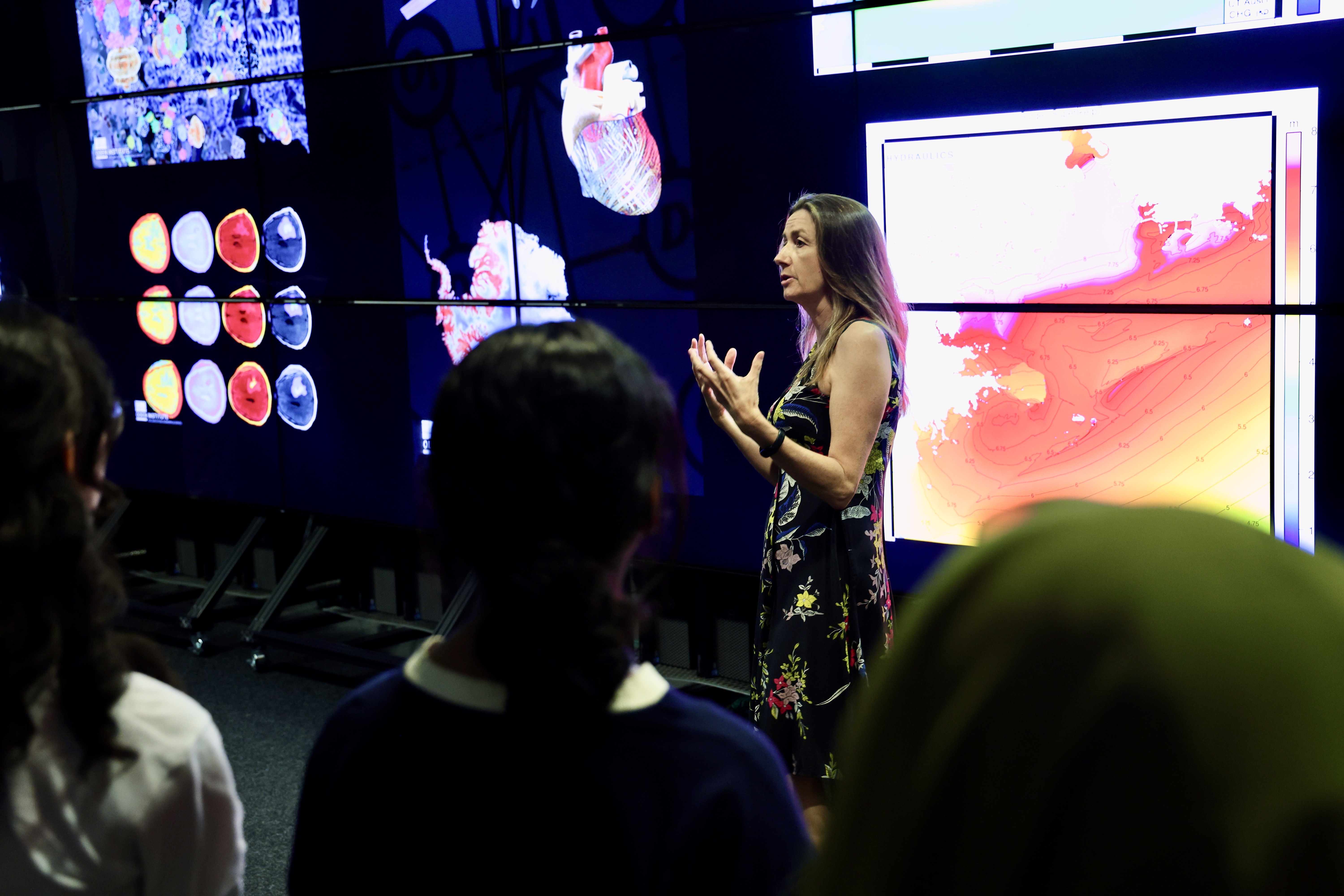
Seeing the Possibilities: High School Students Step into Oden Institute Research World
Students from the Liberal Arts and Science Academy got a front row seat to current research on topics including cancer, the cosmos, digital twins, robotics, and ocean systems during a field trip to the Oden Institute.
News
May 8, 2026
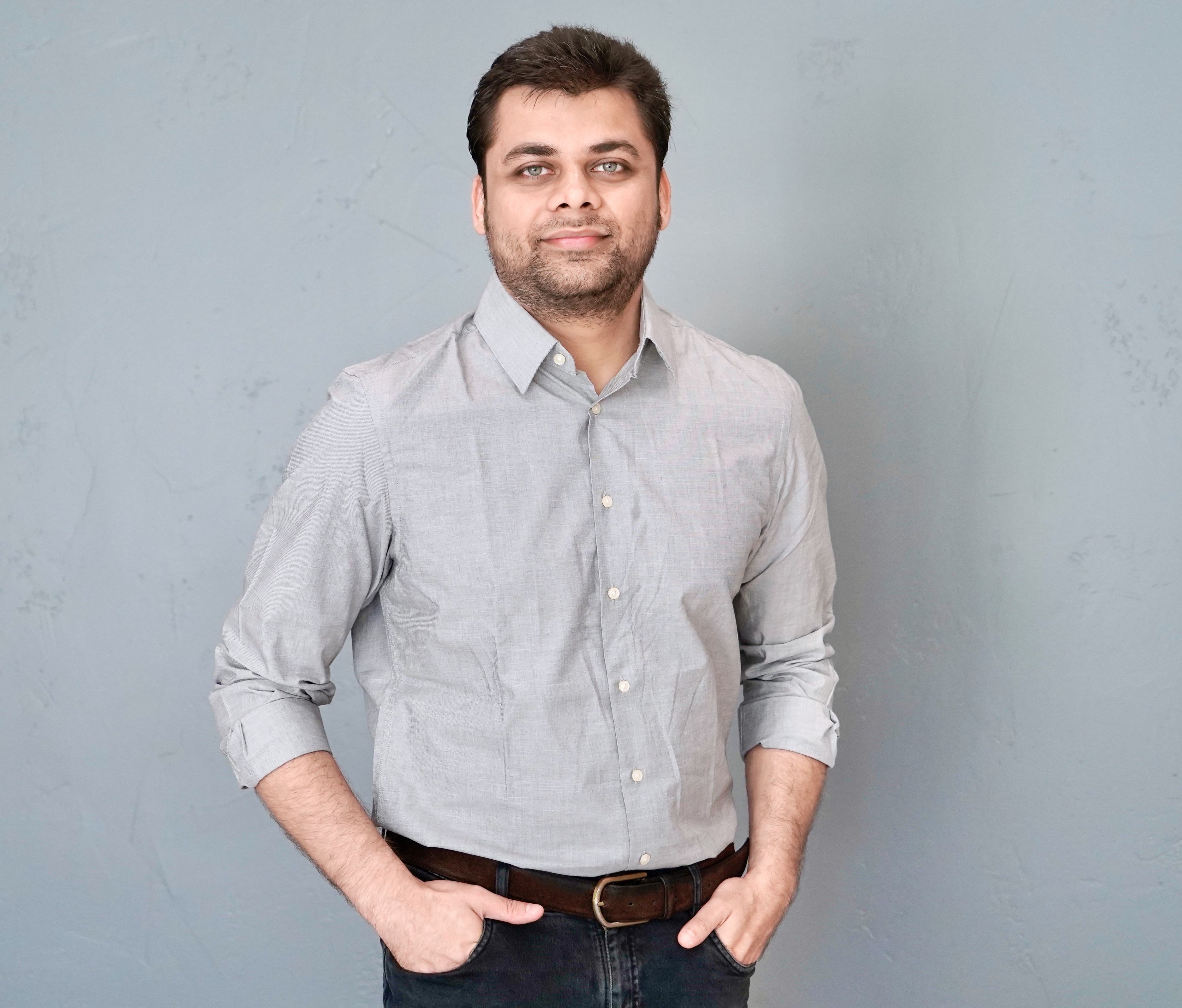
Sabyasachi Tiwari Wins Award To Develop Cloud Platform for Quantum Materials Simulations
Sabyasachi Tiwari wins the Texas Proof Concept Award to develop a cloud-based software platform that simulates quantum materials using a method he developed.
News
May 5, 2026
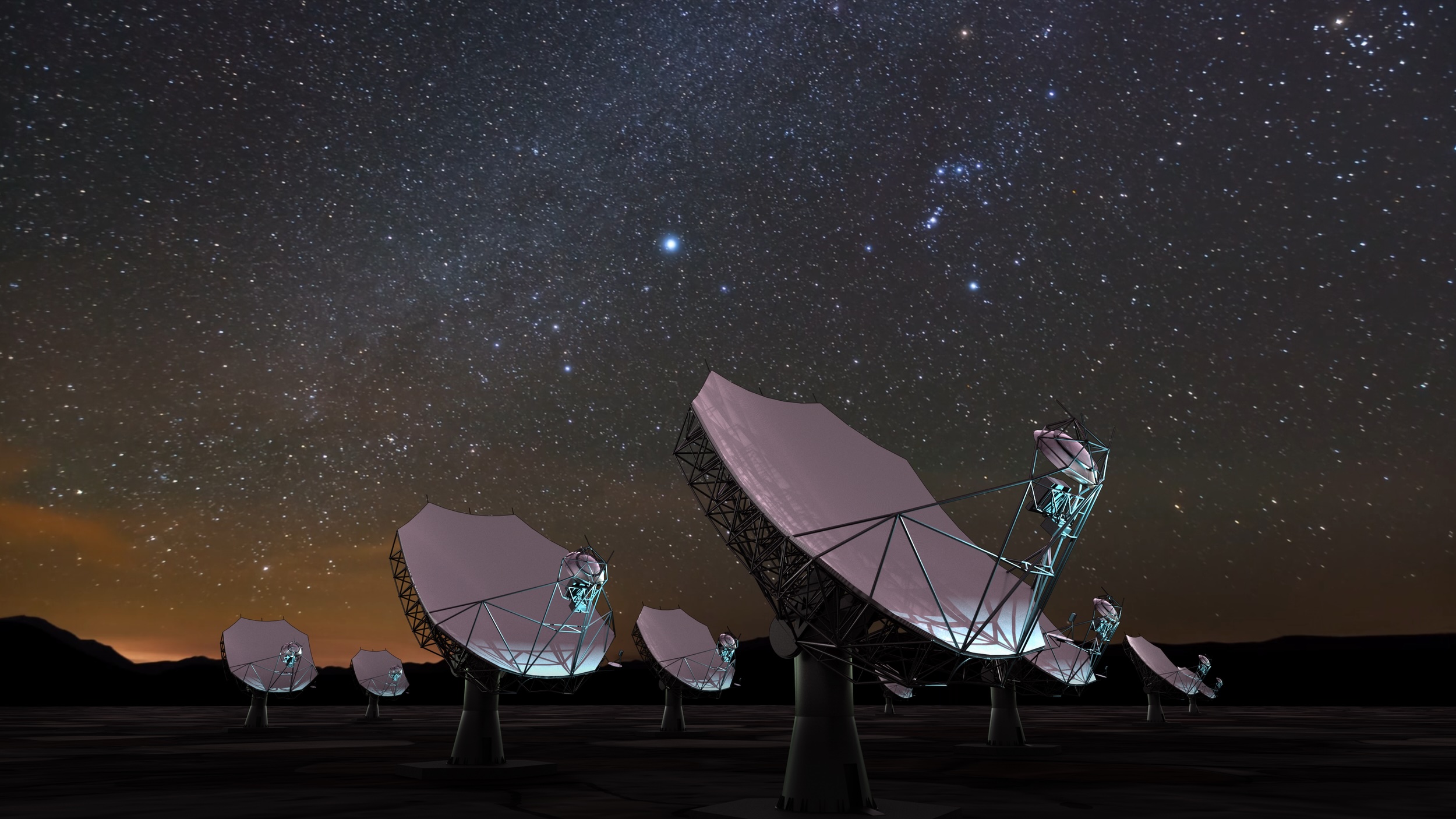
A Match Made in the Cosmos
The NSF-Simons AI Institute for Cosmic Origins (CosmicAI) cultivates the symbiotic relationship between Astronomy and AI. Astronomy gets shiny new tools to process its mountains of data, and AI gets a safe playground filled with exciting toys to improve its methods.